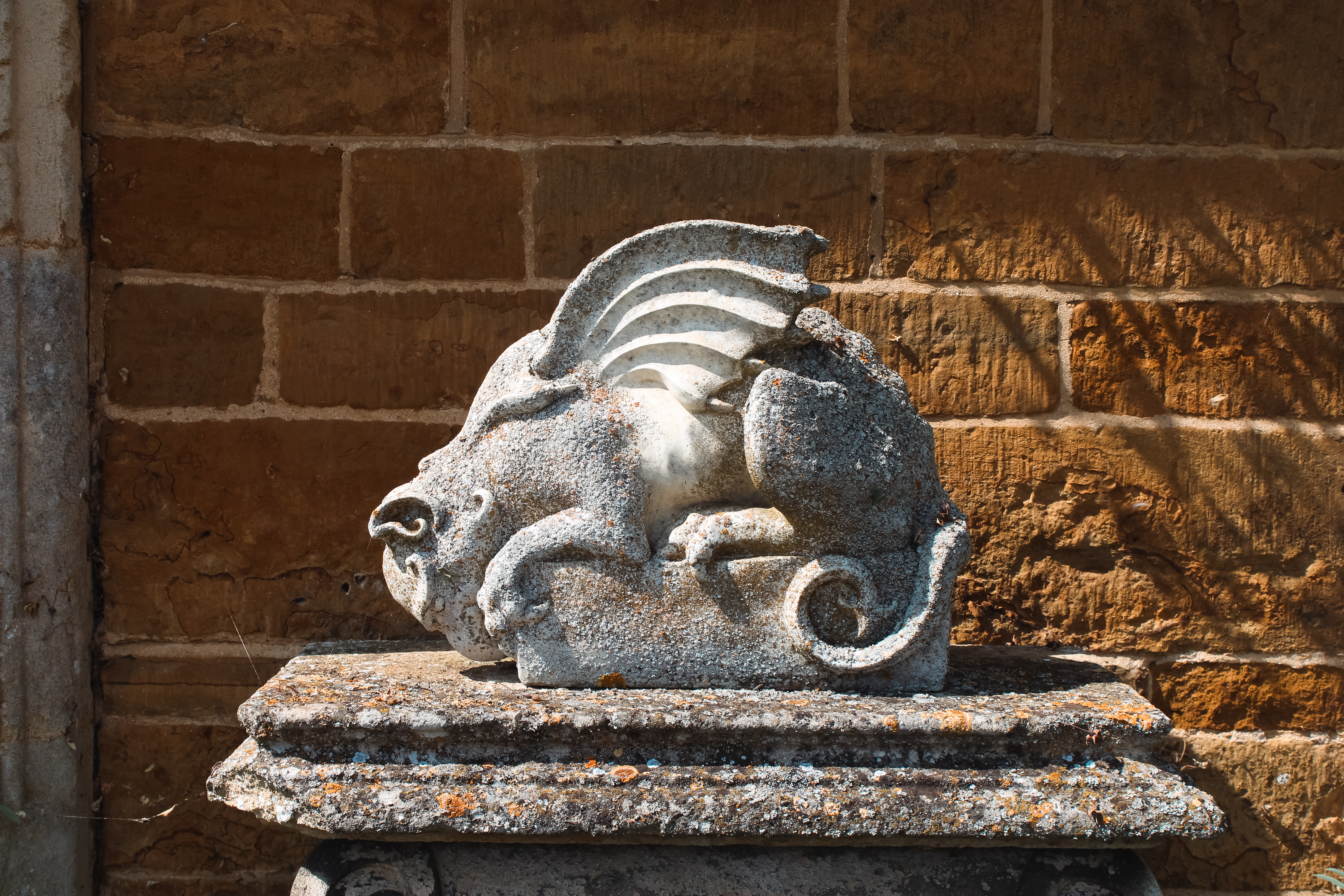
Collection
Holdenby House
Trail No. 1
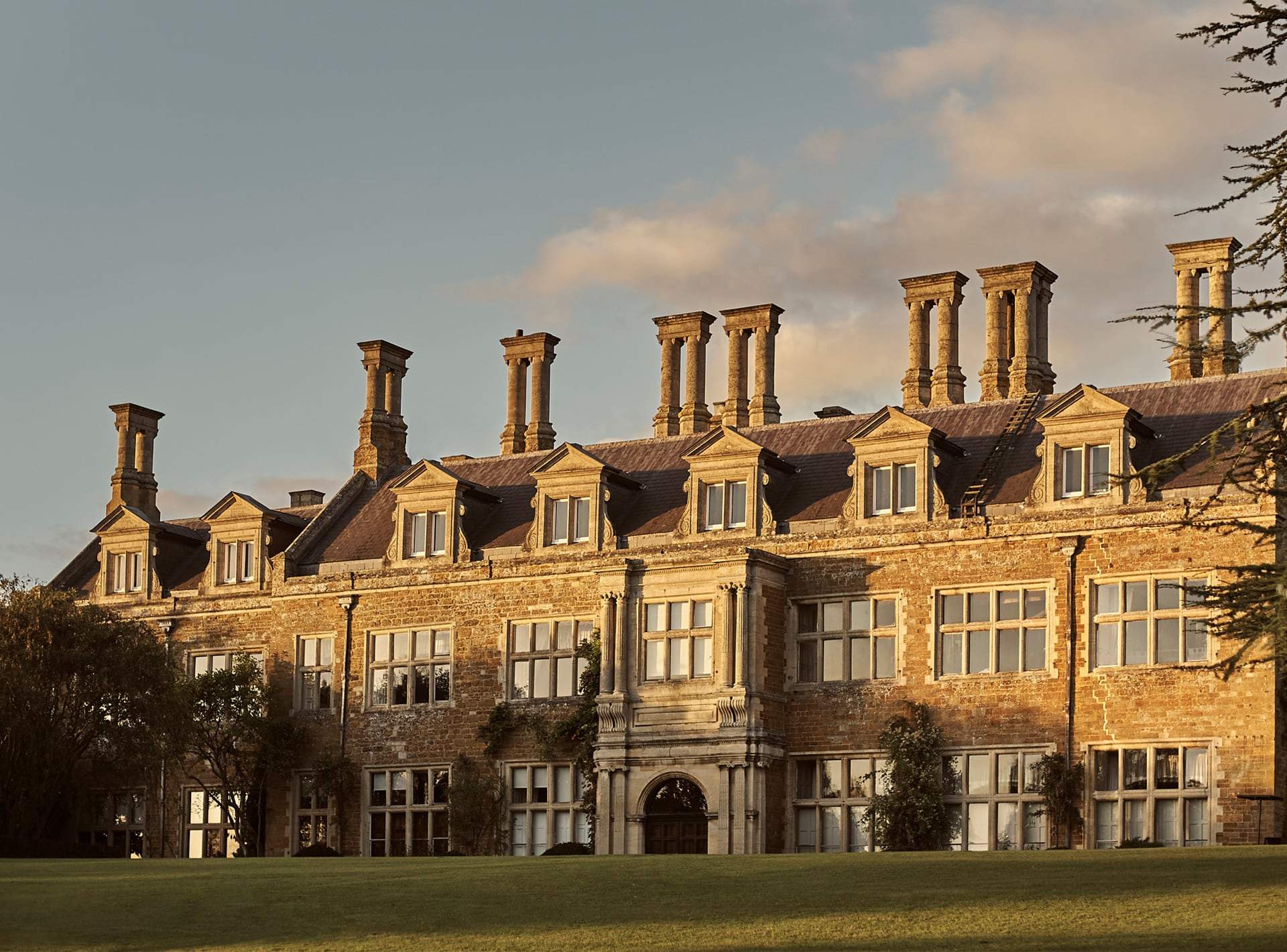
The House is part of the great Elizabethan Palace built by Sir Christopher Hatton in 1583. It was subsequently owned by King James 1st and Charles 1, who was imprisoned here in 1647 following his defeat in the Civil War. Restoration of the remains were done in the 1870s. Its impressive facade & soaring chimneys have made it a natural candidate for several television programmes & films.
Falconry Centre
Trail No. 2
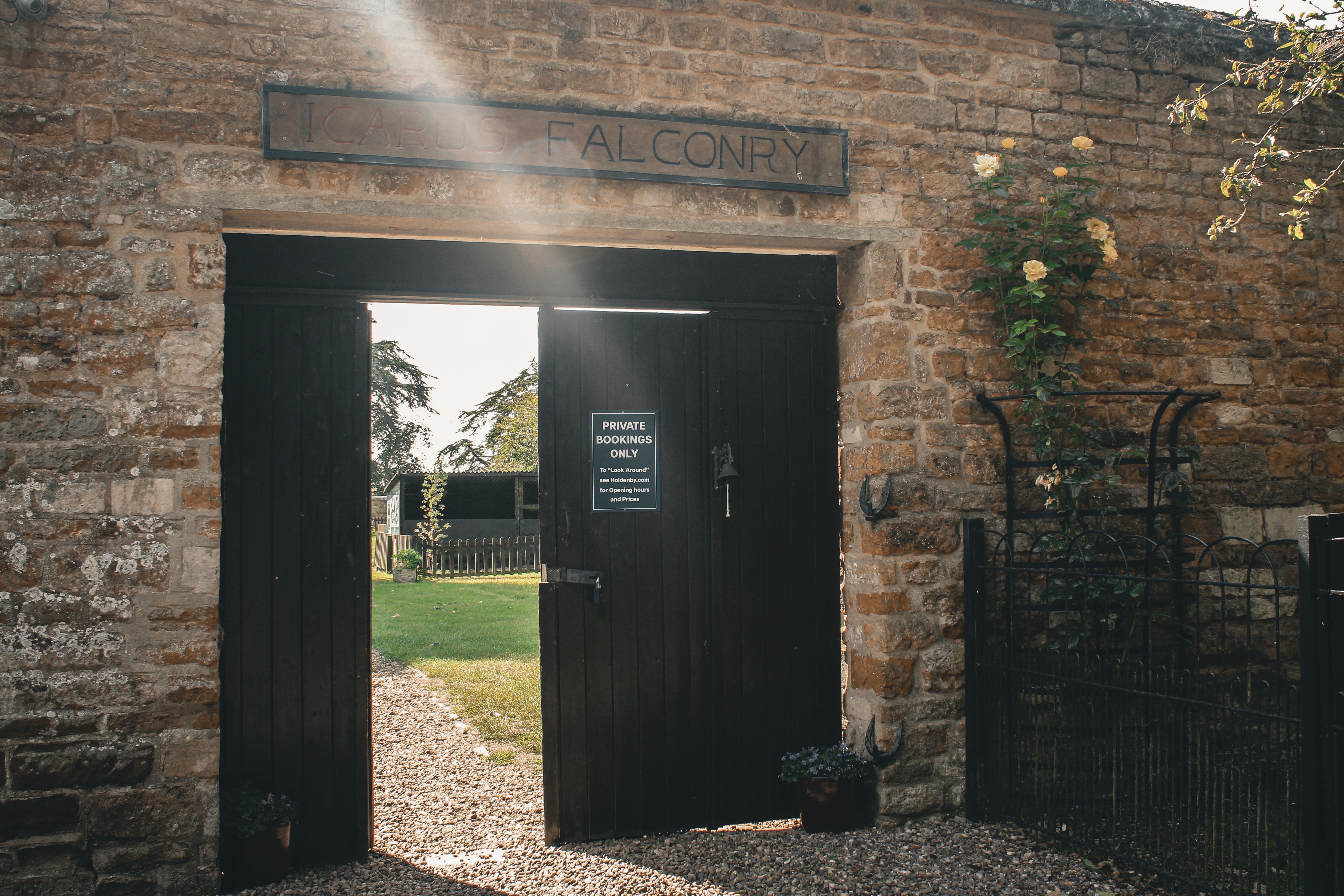
At Holdenby’s Icarus Falconry Centre you can see a wonderful collection of thirty Eagles, Falcons, Hawks, Buzzards, Owls and Vultures, learn all about them and see them fly on every open day. It’s particularly appropriate that you can enjoy them at Holdenby, as both King James I, who owned Holdenby and Charles I who was imprisoned here, loved falconry and would have practiced it here. This year, alongside our wonderful birds you can see our growing English Wildlife collection, including Roxy the Fox, Norma the Hedgehog, Neil and Neon the Rats and other members of our country’s wonderful animal kingdom plus Sly and Simba the tortoises.
Basecourt Arches
Trail No. 3
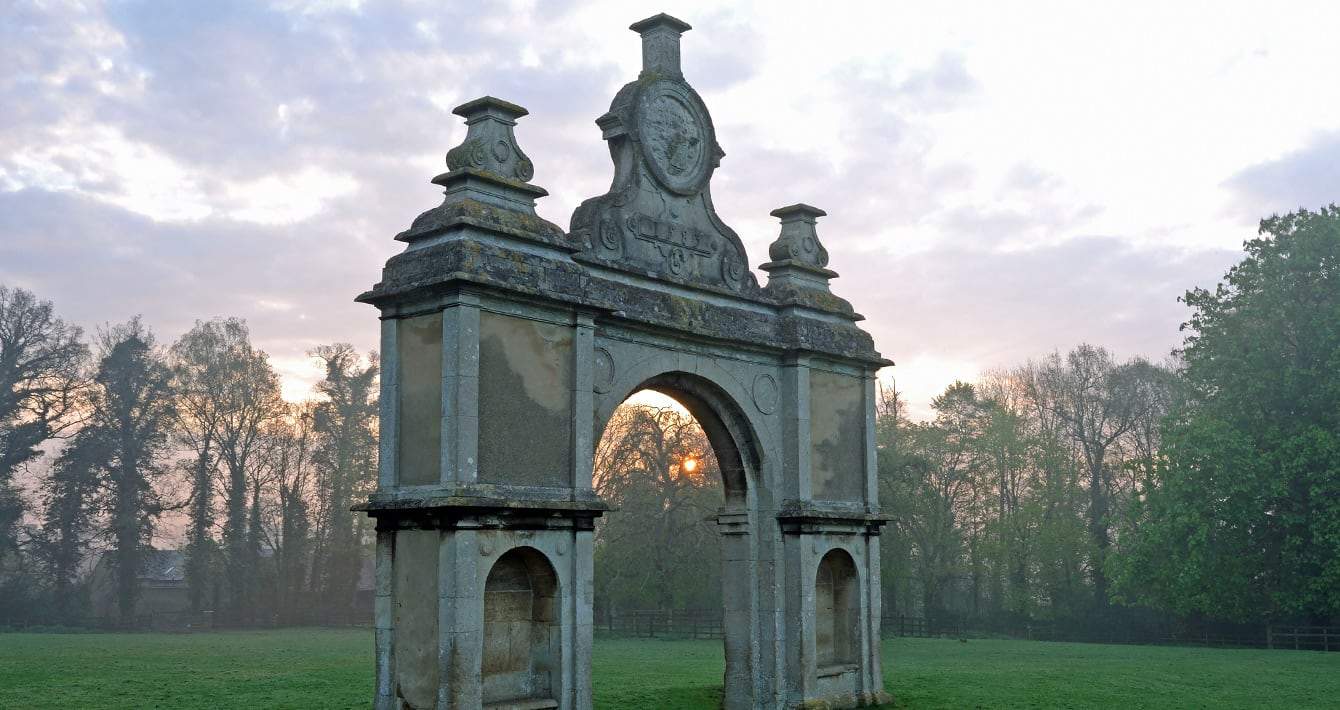
These were the Basecourt Arches of the original Palace of Holdenby. It was between these Arches, that Cornet Joyce’s troops were drawn up when he came to take King Charles I from Holdenby in June 1647. You can stand on the spot where King Charles I stood as he questioned Joyce “Where is your commission?” “Here is my commission” replied Joyce, pointing to his well armed troops. “Tis well writ” replied the King and left with him. He was executed 18 months later.
Cruck Cottage
Trail No. 4
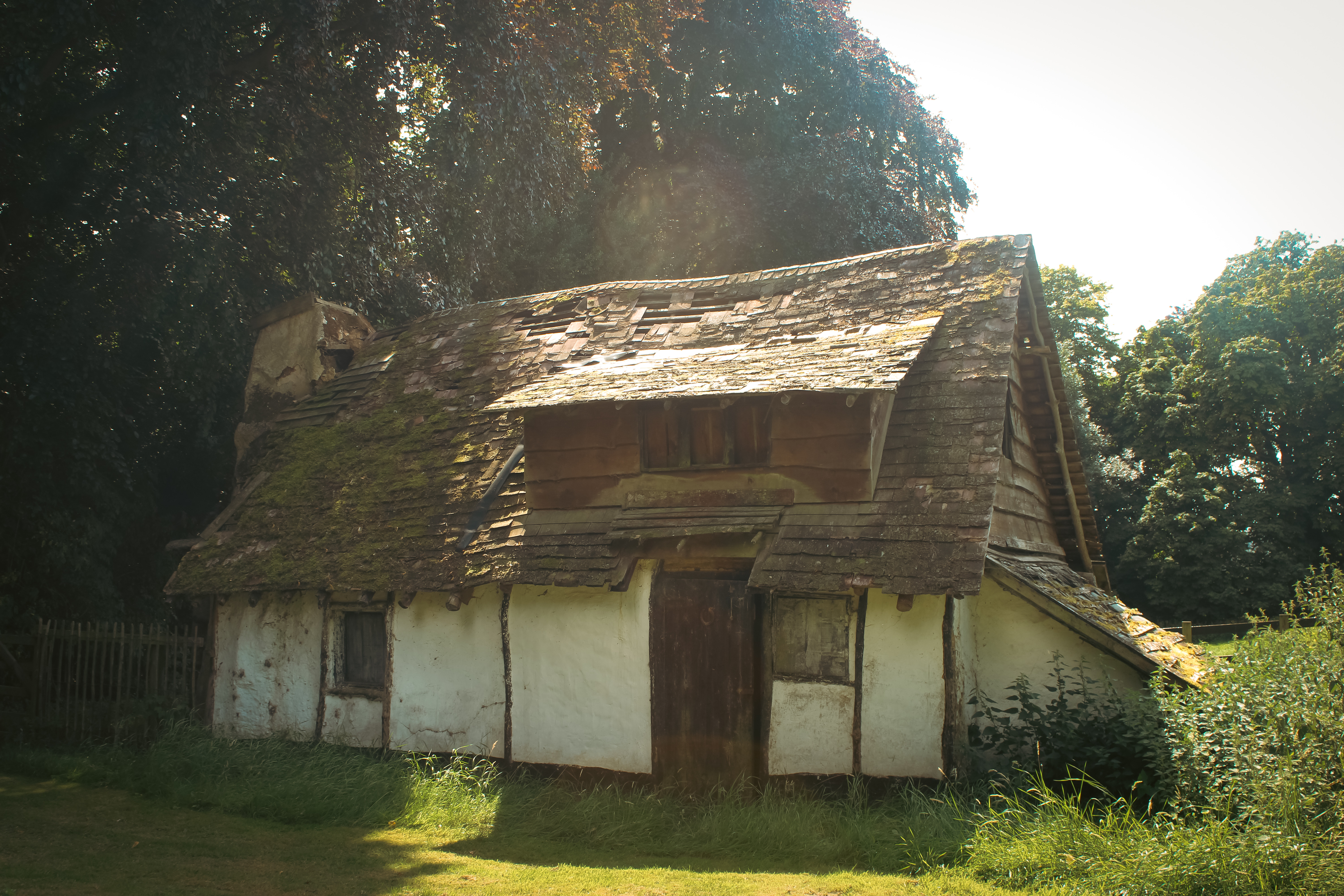
When King Charles I was living in state in Holdenby Palace, many of his humbler subjects would have lived in Cruck cottages. They were traditional, simple houses, built using ‘crucks’ or timber A frames. Walls were made with ‘wattle‘ and ‘daub‘ made from clay, straw and cow muck and the floor was bare earth. This example, was built in 1983 by The Holdenby Guard, using these traditional methods and materials found on the Estate.
All Saints Church
Trail No. 5
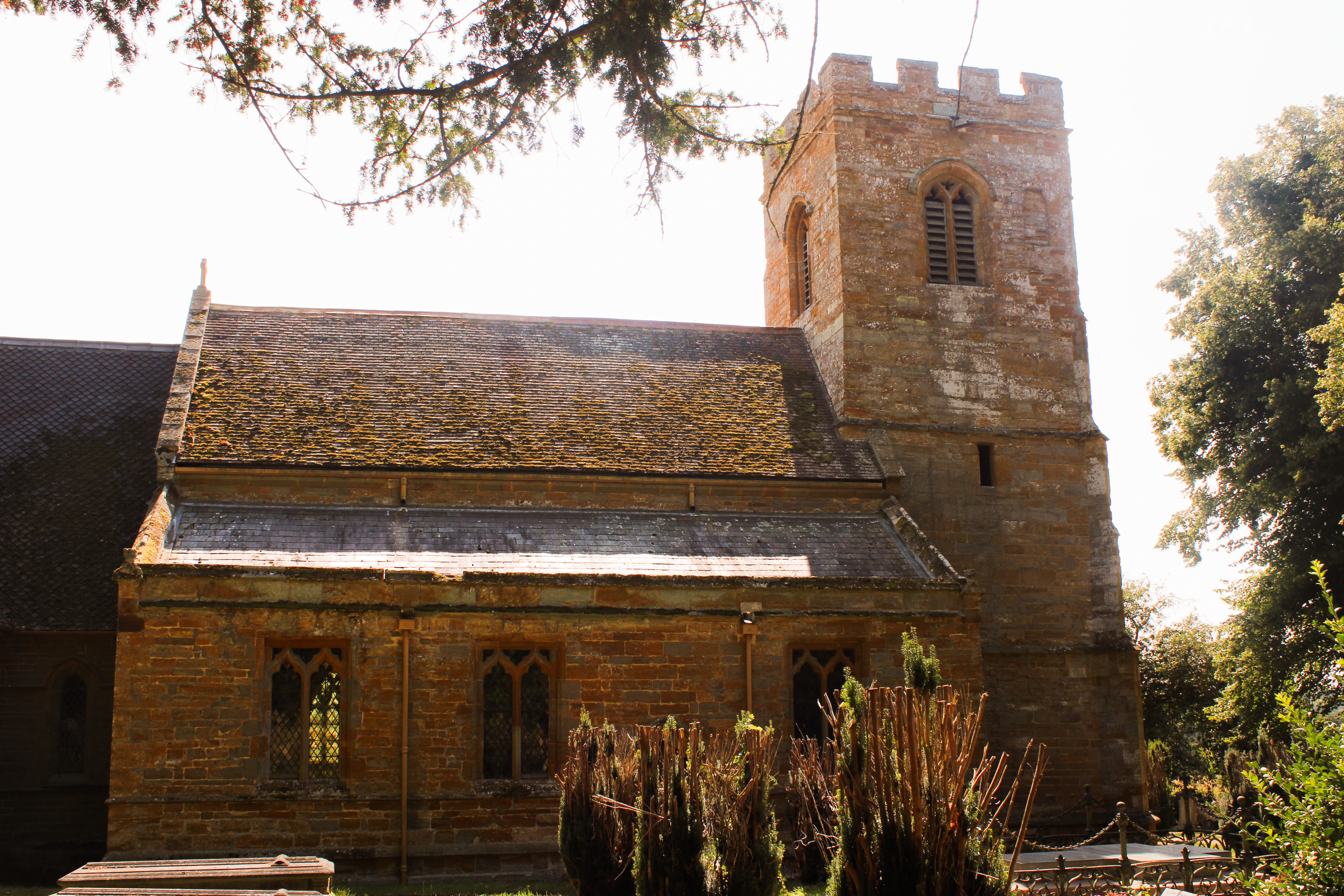
Built in the 14th Century, it has a chancel screen that was in the original Palace between the Great Hall & Chapel.
Elizabethan Pond
Trail No. 6
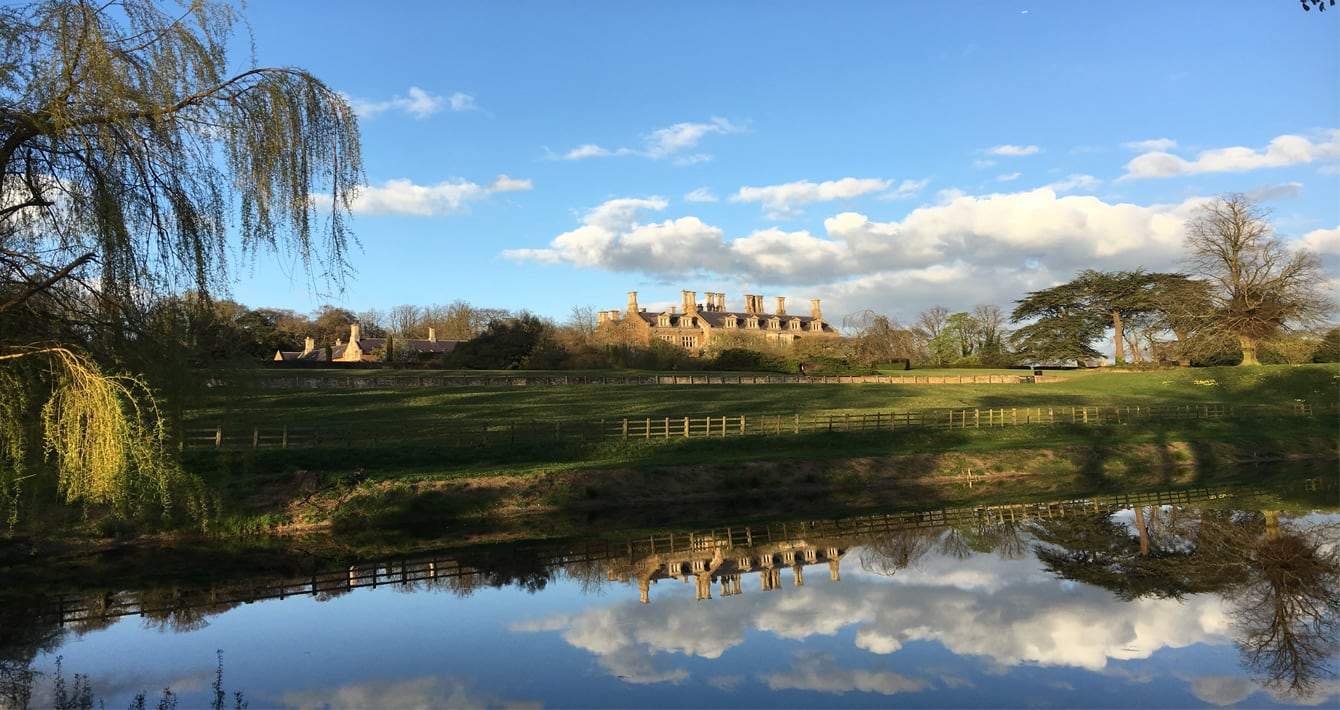
This historic pond was part of the extraordinary garden of Christopher Hatton’s Holdenby. It was built at the bottom of the South West Terrace between 1583 & 1587 partly as a visual feature and partly to provide fresh fish for the house. Water for the pond was brought by pipes from a spring over a mile away. This main pond feeds another one beside the church and a series of breeding ponds to the South. In 2016 it was cleaned out and partially relined.
'Total Freedom' Steel Sculpture
Trail No. 7
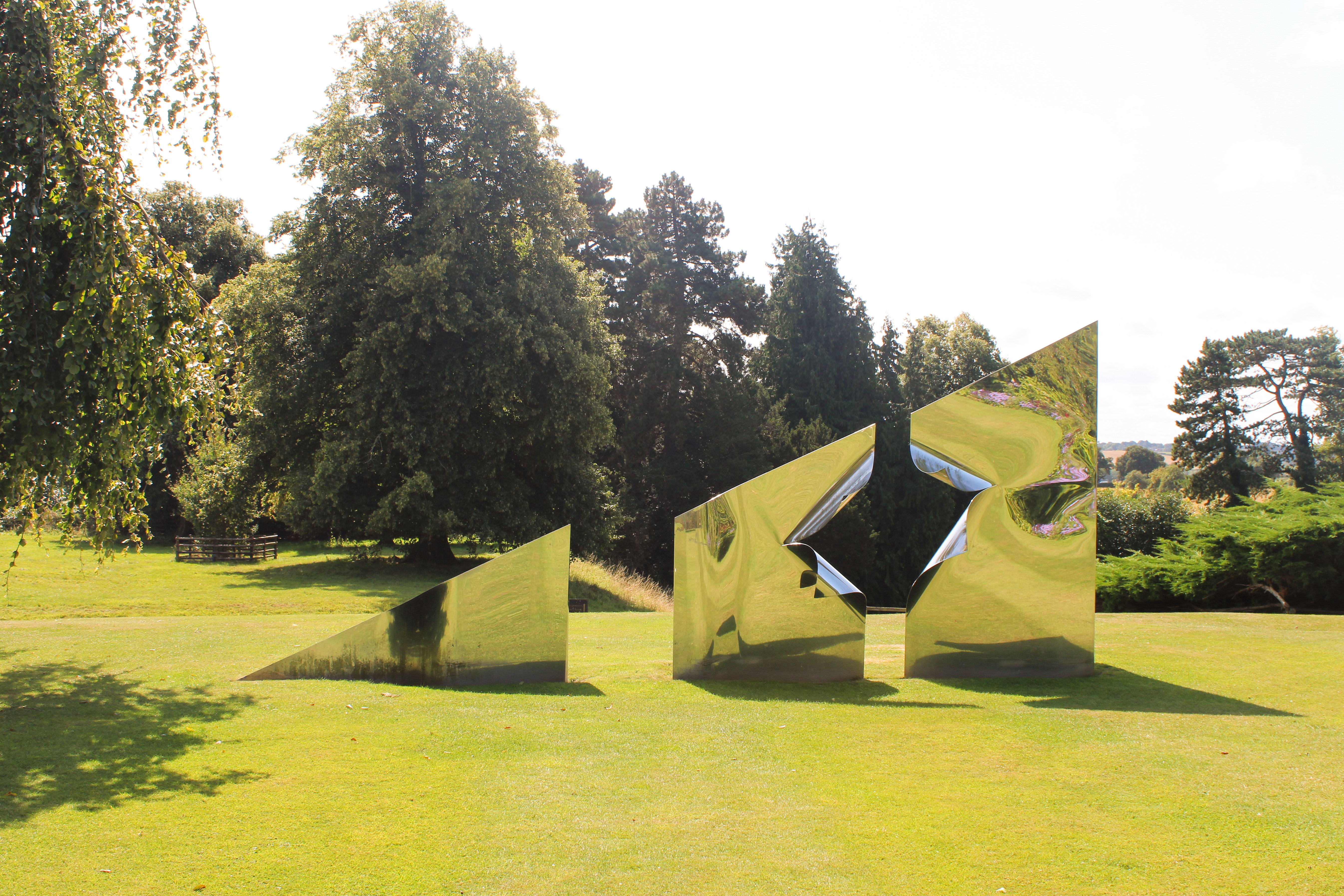
This sunken Lawn was made into a croquet lawn during the Victorian restoration of the house. Croquet was first played in England on the lawn of Lord Lonsdale, the senior member of the Lowther family, in 1851. The steel sculpture “ Total Freedom “ is by David Shilling.
Pond Garden
Trail No. 8
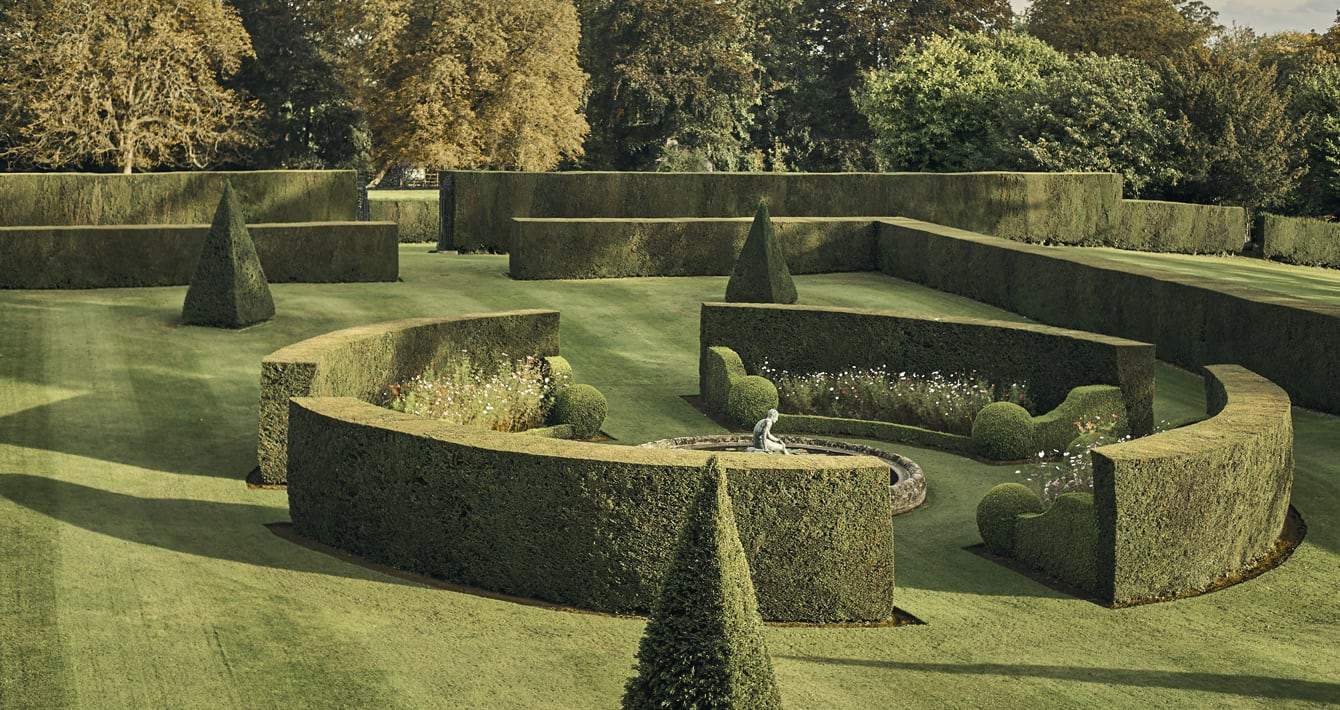
New planting of the beds around the pond was undertaken in 1995 by Rosemary Verey and Rupert Golby. Yew and Box Hedges were planted to give a formal “room effect” with bright bedding to compliment it. In Spring, Tulips ‘Spring Green’ are set in Forget-Me-Nots followed in summer by Nicotiana Sylvestris, Cosmos Sensation and Cleome Spinosa. The statue of Hermes, the Messenger of the Gods, is a copy of a Roman sculpture found in a ruined Herculaneum villa.
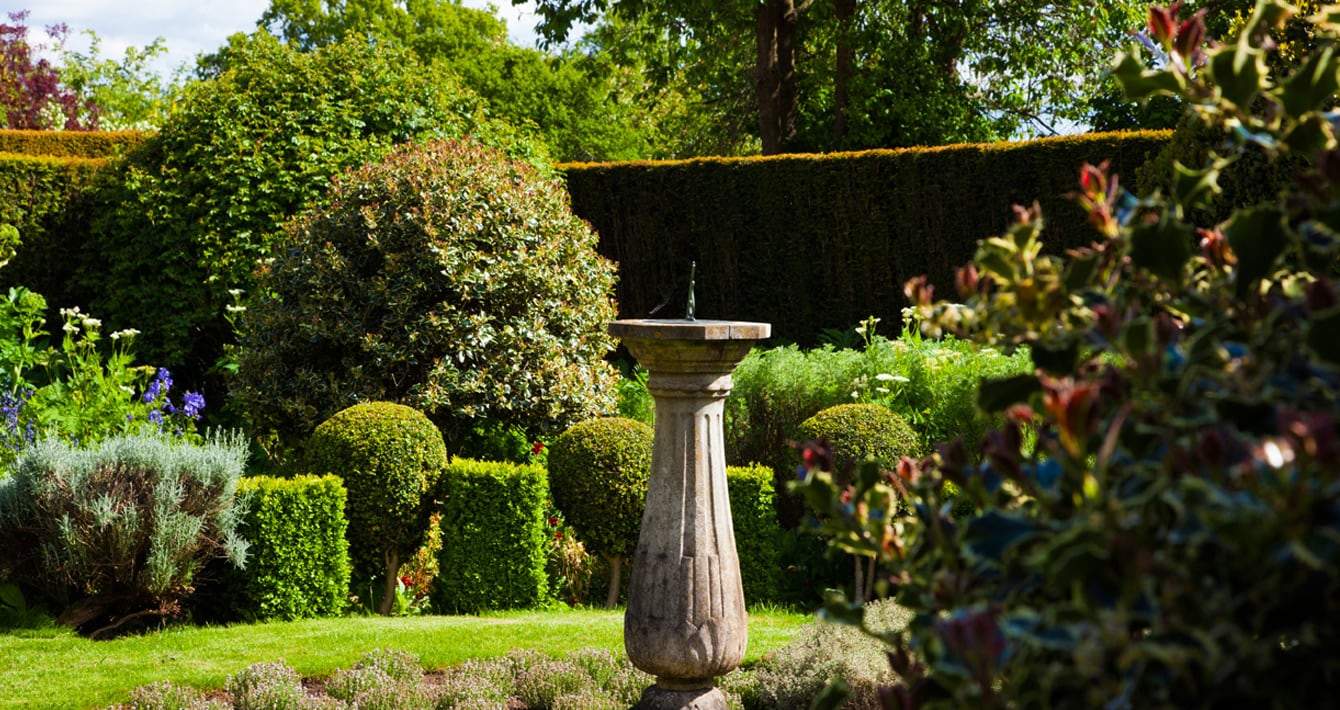
Elizabethan Garden Sundial
Trail No. 9
This garden was planted by Rosemary Verey in 1980 using plants only available in 1583, when the original house was completed. Its shape was copied from the centrepiece of Hatton’s garden. Around the central sundial are four types of Thyme. The inner beds, within a border of Box, Artemisia & Santolina, contain a mix of annuals. The outer beds contain Lavender, Rosemary, Germander, Rue, Angelica, Hyssop and other herbs commonly planted in Elizabethan gardens.
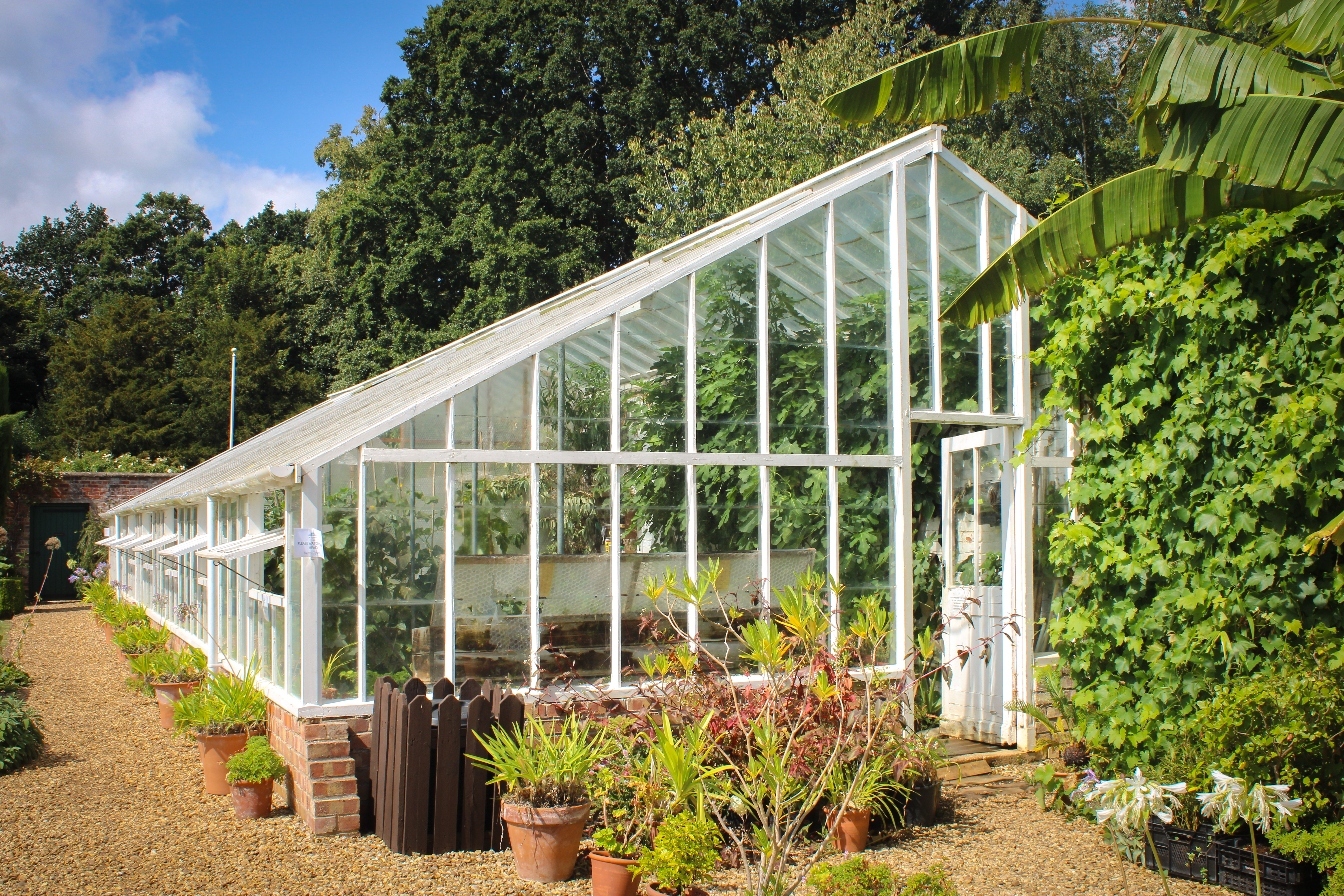
Kitchen Garden Greenhouse
Trail No. 10
Holdenby is unusual in having a fully functioning Kitchen Garden, providing vegetables and flowers for the house. It is divided into quarters; two with raised beds, one reserved for growing summer vegetables, the other for cutting flowers for the house. There is one quarter dedicated to producing berries and the other for potatoes, corn, beans and winter vegetables. Espaliered apples line the centre path.
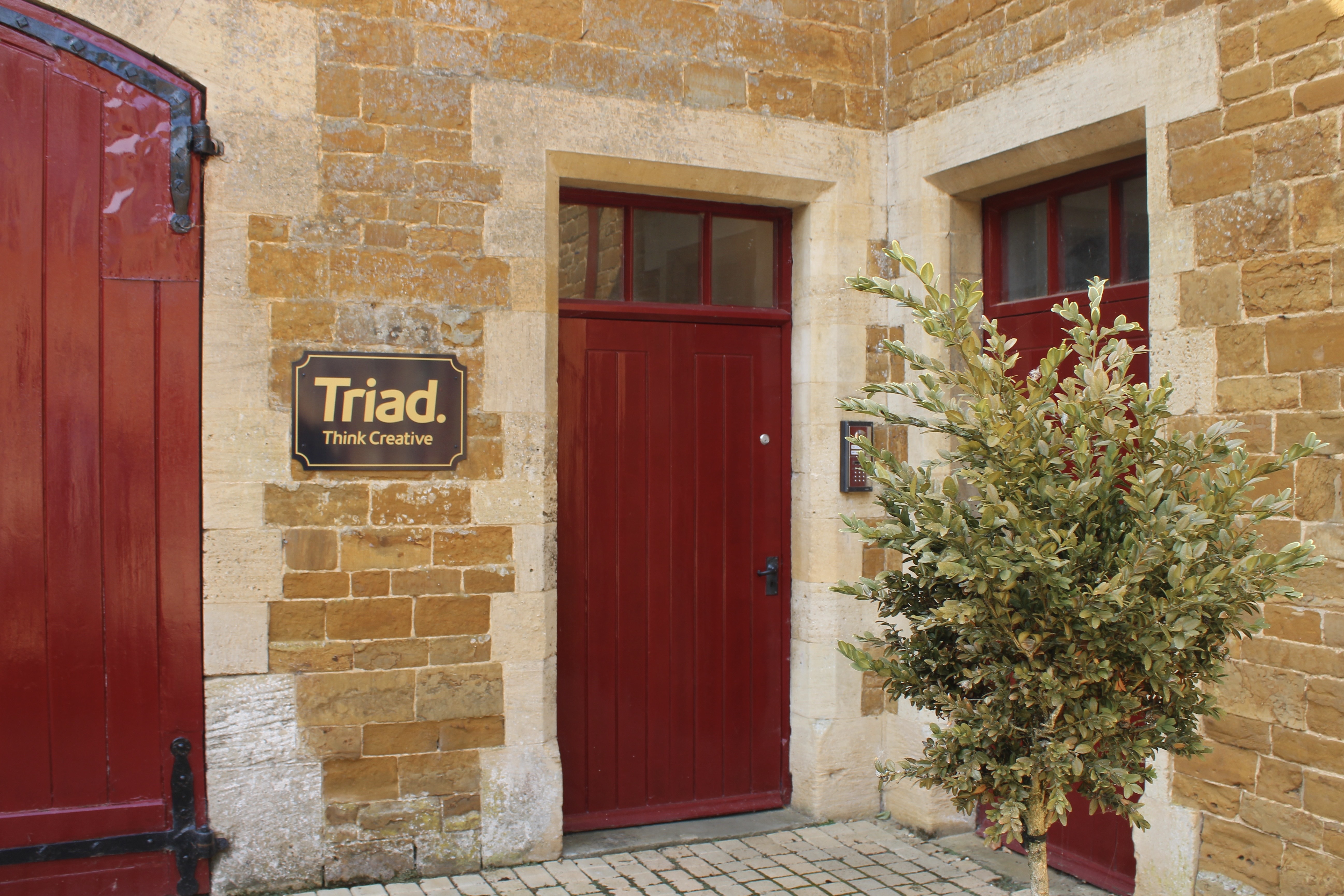
Triad Door
Trail No. 11
Triad is a creative marketing agency, based at Holdenby, Northants. Founded in 1988, we’re one of the longest established agencies in the region, providing strategic marketing, creative design, brand implementation, 3D & animation, corporate presentation and internet solutions.
???
Trail No. ?
???